Thursday, July 31, 2014

Ghee / Clarified Butter

This is not a recipe post. At least, for the most part. This is mostly a post on what is clarified butter (better known as ghee in India). To Indians, ghee is one of the most basic ingredients in our kitchen. We have never stopped to think twice about it. However, like most other people living outside of India, I have rediscovered and delved much more deeply into my own roots, traditions, and culture only in the midst of a foreign country surrounded by eager and curious non-Indians. Their thoughtful and simple questions always take me by surprise and make me pause as I dig into my brain to find a logical answer for their "why" "what" and "how" questions. I have learned so much more about where I come from, thanks to those questions.

In that same vein, I remember nine years ago (wow nine years!) some of my newly formed American friends asking me incredulously, "Gee? what did you just say? Sorry, I don't understand what it is".  And I giggled. It was my turn to be incredulous. I thought they didn't understand my accent. So I spelled it out for them. G H E E. The stuff that comes from butter, that we use in our.... and I trailed off. I couldn't say "our food". And that's when it struck it me for the first time. There's so much about who I am that's alien to these people. As the immigration papers indicated, I truly was an alien in their midst!

Coming back to ghee, I had no idea how to explain it. It's melted butter, I began to say. But it's not just melted butter, I told myself. Thanks to google, I brought up wikipedia to form words to my thoughts. But in these nine years, so many things have changed in the West. People have become more aware and familiar with different cuisines, including Indian cuisine and culture. The concept of clarified butter is no longer that alien. Still, every time I bring it up, people continue to be fascinated and curious.

I know there are tonnes of videos and posts online on how to prepare clarified butter, clearly expounding on its properties, uses, etc, so I am not trying to educate the world with this post that's going to be tucked and buried in a far-flung corner of the internet. This is just something I felt like writing, both for the sake of completeness within this space, and for myself.

Wednesday, July 30, 2014

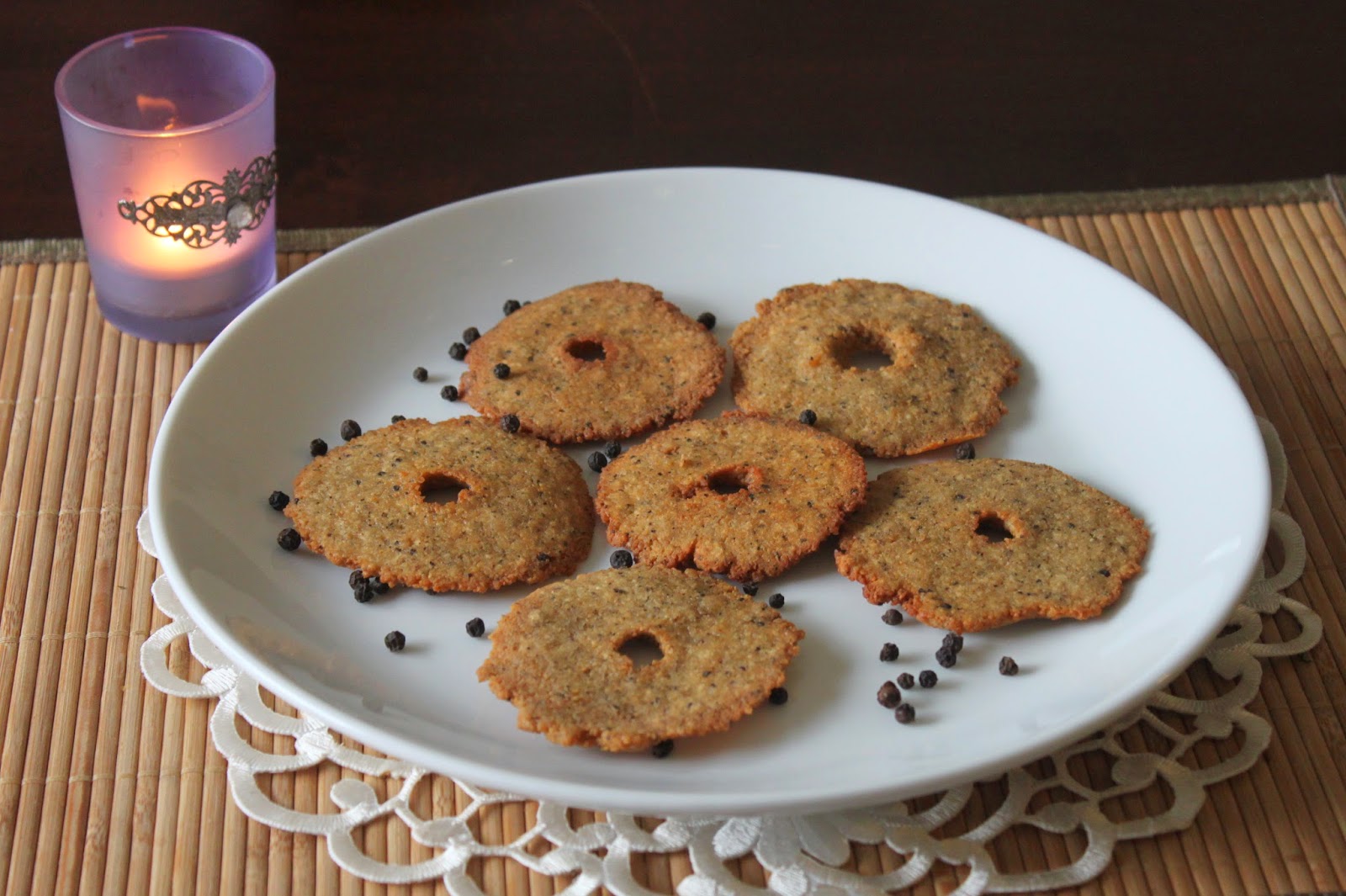
Milagu Vadai / Pepper Vadai (Anjaneyar Vadai)

Milagu vadai is a thin deep-fried disc prepared from coarsely ground whole black gram and lots of cracked black pepper. It is a common religious offering to the Hindu God, Hanuman (also known as Anjaneyar). Ever since I was three years old, I have had a special fascination and reverence towards this particular Hindu God. So, this vadai is a special favorite. I love its simple taste, and the feeling of peace, quite, and hope it evokes.

This is a very simple and easy preparation that takes no time at all to make.


Tuesday, July 29, 2014

Ragi & Jowar Porridge / Sweet Millet Porridge

Millet flours make excellent porridges, grubs, and cereals. They are cooked slightly with water, sweetened a little with jaggery or palm sugar, and served with warm milk. This makes an energizing breakfast, and even a quick and nutritious dinner that's both light and filling. In terms of healthy dessert options, this is really quite a nice one! 

My mom makes different kinds of porridges with millets and whole grains. I have written about one of them here. This is another very simple version with just two types of millets. To tone down the earthy aromas of the millets and to increase the flavor of the porridge, freshly ground cardamom and mace (javetri) are added. 

As a dessert, this is truly a yummy alternative!

Monday, July 28, 2014

Paneer & Onion Ragi Adai

Ragi (finger millet) flour is a hardy and nutritious substitute for rice or wheat. However, it is not always easy to directly substitute this millet for rice or wheat, because its structural properties interfere with the texture of the food and its visual appeal. But, if one looks beyond how the dish looks, there are many tasty, filling, and healthy meals that can be prepared with such millets. 

One among them is this adai (or savory pancake). My mom often prepares these, but when I was growing up, no one was a fan of these, mainly because of a preconceived notion and determination that it would not taste good if it looks weird! And most often, these adais are prepared with no other embellishments, and are simple and bare-boned with just ragi flour and salt. Doesn't sound particularly appetizing if put that way, does it? Sometimes, vegetables such as carrots and beans are added, but again, as kids, very rarely did we look forward to beans or carrots! So, it's partly all about the packaging and bells and whistles.

And like many others, I am also of the belief that one doesn't have to necessarily compromise on taste and flavor by choosing to eat healthy. Therefore, to market this dish, one can add an endless variety of spices or popular foods that carry mass appeal. So, in this adai, I added paneer and onions to boost the appeal and flavor of the dish.


Sunday, July 27, 2014

Indian Vegetable Sides: Brinjal or Eggplant With Freshly Ground Spices

South-Indian cooking heavily uses four ingredients to prepare a common spice blend to season vegetables and lentil-based stews. The four ingredients are: bengal gram, coriander seeds, red chillies, and coconut. These ingredients are dry roasted (or roasted in a little oil) and ground to make a distinctly flavorful blend that elevates the taste of any simple dish.

So, it's no wonder that this blend is used to season and spice vegetables. In this version, brinjals (the small eggplant variety common in South-Asia) are stir-fried with turmeric and seasoned with this aromatic spice blend for a truly delicious vegetable side! This can also be mixed with rice for a really delicious brinjal-flavored rice called vaangi-bath. A small difference is that vaangi-bath is commonly prepared with green-colored eggplants that are first cooked by stewing in tamarind juice. Since it's next to impossible (currently) to find green eggplants in many places outside of India, regular brinjals are good enough substitutes. 

Commonly, really small brinjals are stuffed with this spice blend and then pan-fried for a crunchy and spicy dish called yenna kathirikkai. Since we don't get such small and tender brinjals here, I prepare this version, which is the deconstructed form of the former (plus this version takes way less oil)! My mom often prepares this at home.

This recipe can be used to prepare vegetables such as plantain, elephant yams, and other starchy but hardy vegetables. I know many people are not fond of eggplants/brinjals. But this dish might make them reconsider :)